Payment Security Protocols Reshaping Access to Progressive Features in Live Dealer Formats
Viktor Long · Sep 22, 2026
Payment Security Protocols Reshaping Access to Progressive Features in Live Dealer Formats
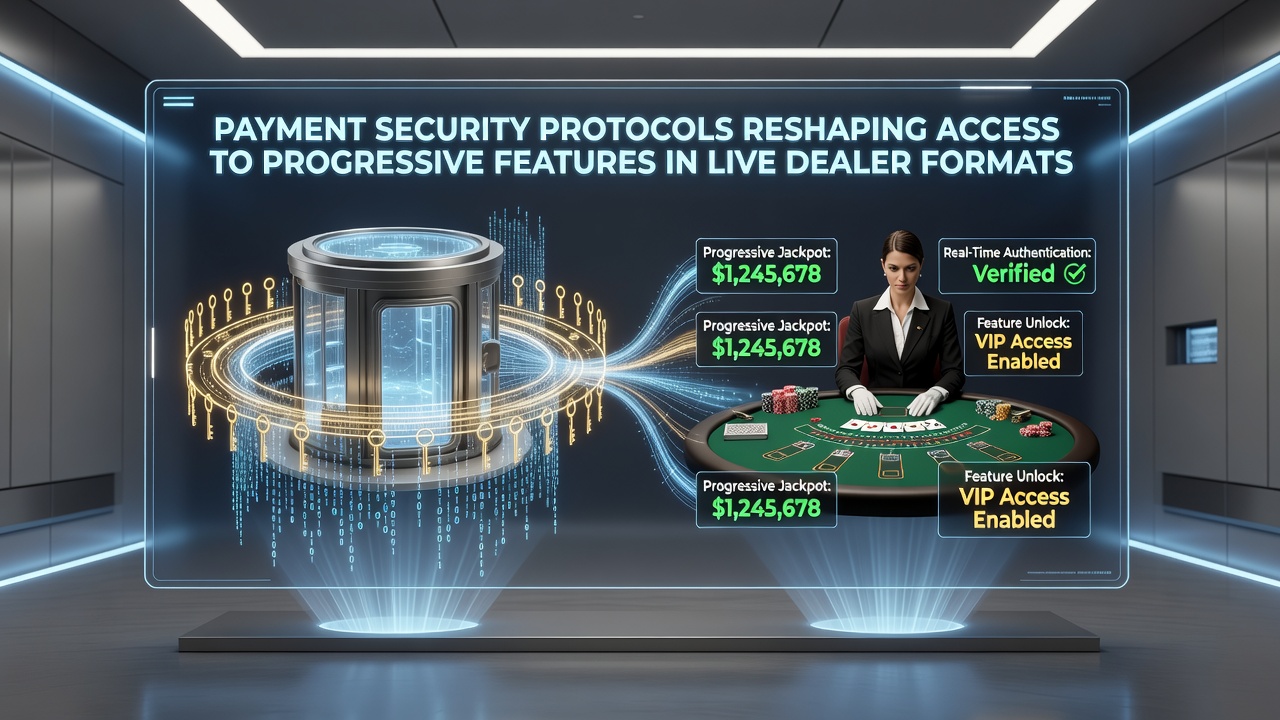
Payment security protocols continue to evolve in ways that directly influence how players access progressive features within live dealer formats, and these changes stem from advancements in encryption standards along with regulatory requirements that emphasize real-time verification. Experts tracking the sector note that tokenization methods now replace traditional card details during transactions, which reduces exposure risks while allowing operators to unlock features such as progressive jackpots in blackjack or roulette without additional manual checks. Data from industry reports indicates that platforms adopting these protocols see faster integration of bonus allocation systems because compliance checks occur seamlessly in teh background.
Core Technologies Driving the Shift
Tokenization combined with biometric authentication forms the backbone of many updated systems, and researchers at institutions studying digital finance have documented how these tools permit operators to segment access based on verified payment history rather than repeated identity submissions. In live dealer environments the requirement for uninterrupted play makes such efficiencies essential, since any delay in feature activation can disrupt the real-time interaction that defines the format. Observers have recorded that multi-factor protocols, including device fingerprinting paired with one-time passcodes, enable progressive prize pools to activate for eligible accounts almost instantly once initial security layers clear.
Regulatory Influences Across Regions
Standards set by bodies in different jurisdictions shape these developments, and figures from the Australian Transaction Reports and Analysis Centre reveal that updated anti-money laundering rules implemented in recent years have prompted operators to tie progressive feature eligibility more closely to verified transaction trails. Similar patterns appear in Canadian provincial frameworks where gaming authorities require enhanced payment logging before high-value features become available. These requirements do not restrict access outright but instead channel participation through secure gateways that verify funds and player status simultaneously.
What's notable is how September 2026 marks the scheduled rollout of enhanced cross-border payment verification guidelines from the European Data Protection Board, and those guidelines are expected to standardize how live dealer platforms handle progressive jackpot contributions across member states. Industry analysts point out that operators preparing for this date have already begun testing layered security that links payment confirmation directly to feature unlocking mechanisms.
Effects on Live Dealer Progressive Features
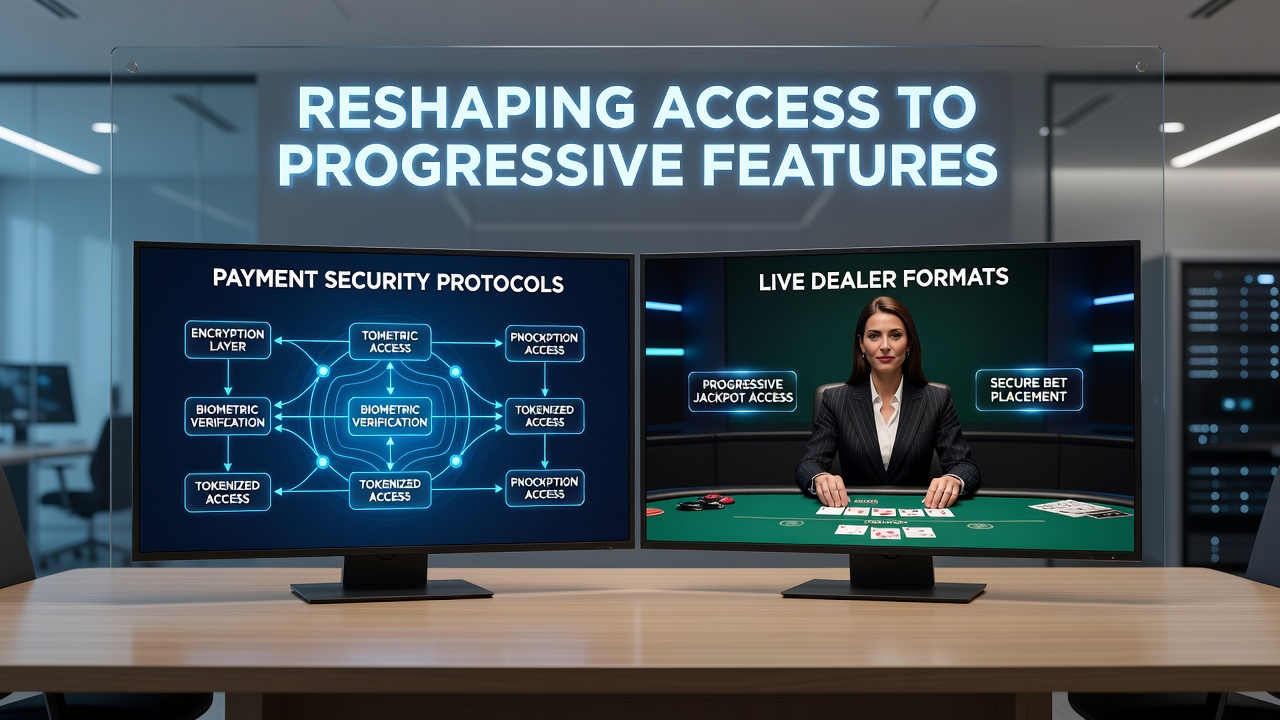
Progressive features in live dealer games rely on pooled contributions that grow with each qualifying bet, and secure payment protocols now determine which wagers count toward those pools by confirming transaction legitimacy before crediting the amount. This approach prevents fraudulent entries while maintaining the integrity of the growing prize, and studies from academic sources on gambling technology show measurable increases in feature participation rates once verification steps become automated. One case documented by researchers involved platforms that integrated 3D Secure 2.0 protocols, resulting in quicker approval for progressive side bets during live sessions without interrupting dealer flow.
Operational Adjustments by Operators
Operators respond to these protocols by redesigning backend systems that connect payment gateways to game servers, and this integration ensures that only transactions meeting security thresholds contribute to progressive meters. Those who've examined implementation records find that such adjustments often involve API connections between financial processors and casino management software, allowing real-time status updates visible to both players and staff. The result appears in reduced instances of disputed contributions because every qualifying bet carries cryptographic proof of its secure origin.
Yet the transition also demands staff training on new compliance dashboards, and reports from trade associations highlight workshops conducted across multiple regions to familiarize teams with monitoring tools that flag irregular patterns before progressive features activate. This preparation keeps live sessions running smoothly while meeting the verification demands that accompany higher-stakes play.
Future Developments and Player Access Patterns
Emerging trends point toward greater use of decentralized ledger technology for recording contributions to progressive pools, and preliminary trials described in technical papers suggest these methods could further streamline access by creating immutable audit trails that satisfy multiple regulatory frameworks at once. Players benefit when their verified payment history travels with their account across platforms, reducing repeated security hurdles that previously delayed feature entry. Data compiled through 2025 shows steady growth in the percentage of live dealer sessions that include active progressive elements once security protocols reach maturity.
Conclusion
Payment security protocols continue to redefine the pathways through which players reach progressive features in live dealer formats, and the ongoing refinements reflect coordinated efforts between technology providers, regulators, and operators. As September 2026 approaches, further standardization will likely accelerate these integrations, creating environments where secure transactions and feature access operate as interconnected components rather than separate processes. The documented outcomes from various jurisdictions demonstrate measurable improvements in both transaction speed and feature availability when these protocols align effectively.