Connections Between Secure Transaction Tools and Reward Structures in Portable Interactive Entertainment Under Oversight
Clara Wolf · Nov 17, 2026
Connections Between Secure Transaction Tools and Reward Structures in Portable Interactive Entertainment Under Oversight
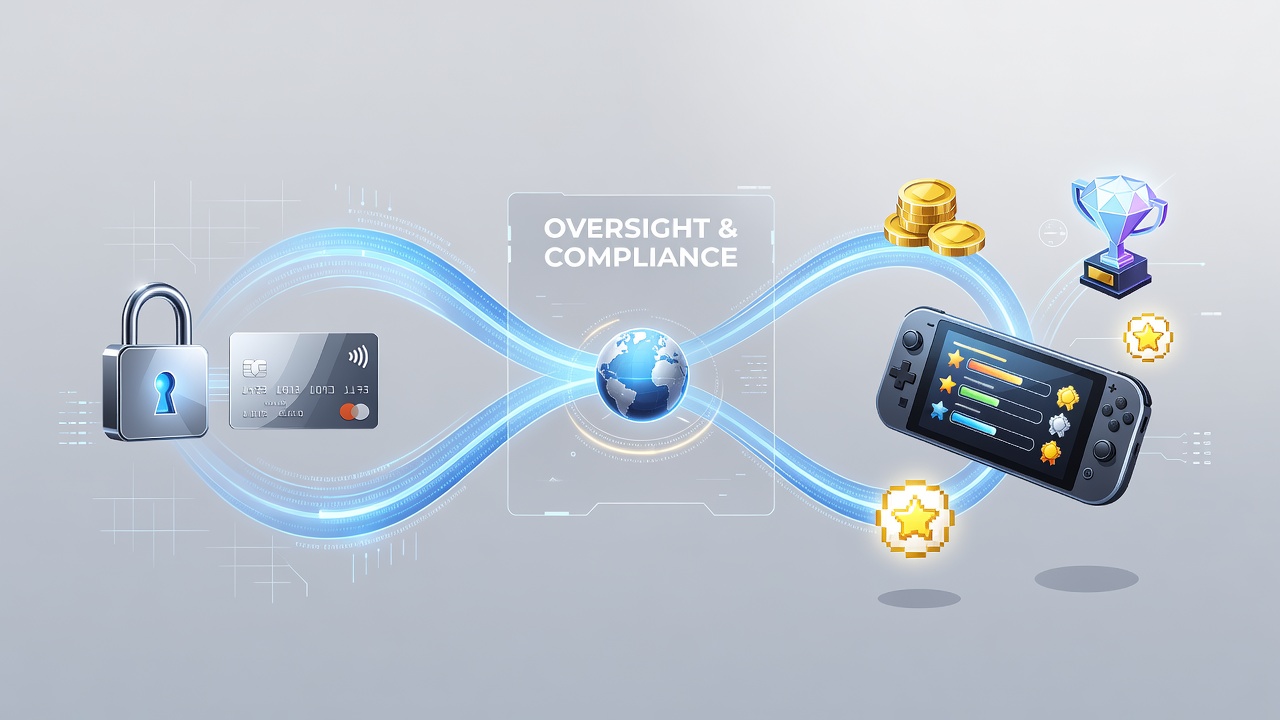
Secure transaction tools have become central to how reward structures operate within portable interactive entertainment that falls under regulatory oversight, and observers note that encryption protocols along with multi-factor authentication systems directly influence which bonuses and loyalty incentives become available to users on mobile platforms. Data released in November 2026 showed continued integration of these tools across markets where mobile-first formats dominate, while researchers at various institutions documented patterns in how verified payment channels unlock progressive reward tiers that remain restricted when standard security measures fall short.
Payment Security Foundations in Mobile Entertainment
Portable interactive entertainment relies on transaction tools that incorporate tokenization and real-time fraud detection, and these mechanisms create the infrastructure that supports reward allocation because regulators require proof of legitimate fund movement before operators can credit bonuses or progressive jackpots. Experts from industry associations have observed that platforms using advanced digital wallet integrations report higher rates of reward redemptions, since users complete verification steps that satisfy compliance checks without additional delays. Studies conducted across multiple jurisdictions indicate that biometric authentication paired with secure APIs reduces chargeback incidents, which in turn allows operators to maintain larger reward pools without adjusting payout percentages downward.
How Transaction Tools Shape Reward Eligibility
Reward structures in these environments often tie directly to transaction history, and users who route deposits through approved secure channels gain access to tiered loyalty programs that include cashback multipliers and exclusive event entries. Regulatory frameworks in regions such as the European Union and select North American states mandate that operators track every verified transaction, creating datasets that determine bonus qualification windows and maximum claim amounts. One analysis from academic researchers highlighted cases where mobile sessions initiated via encrypted payment rails triggered automatic reward escalations, whereas sessions using less secure alternatives remained capped at base levels until additional verification occurred.
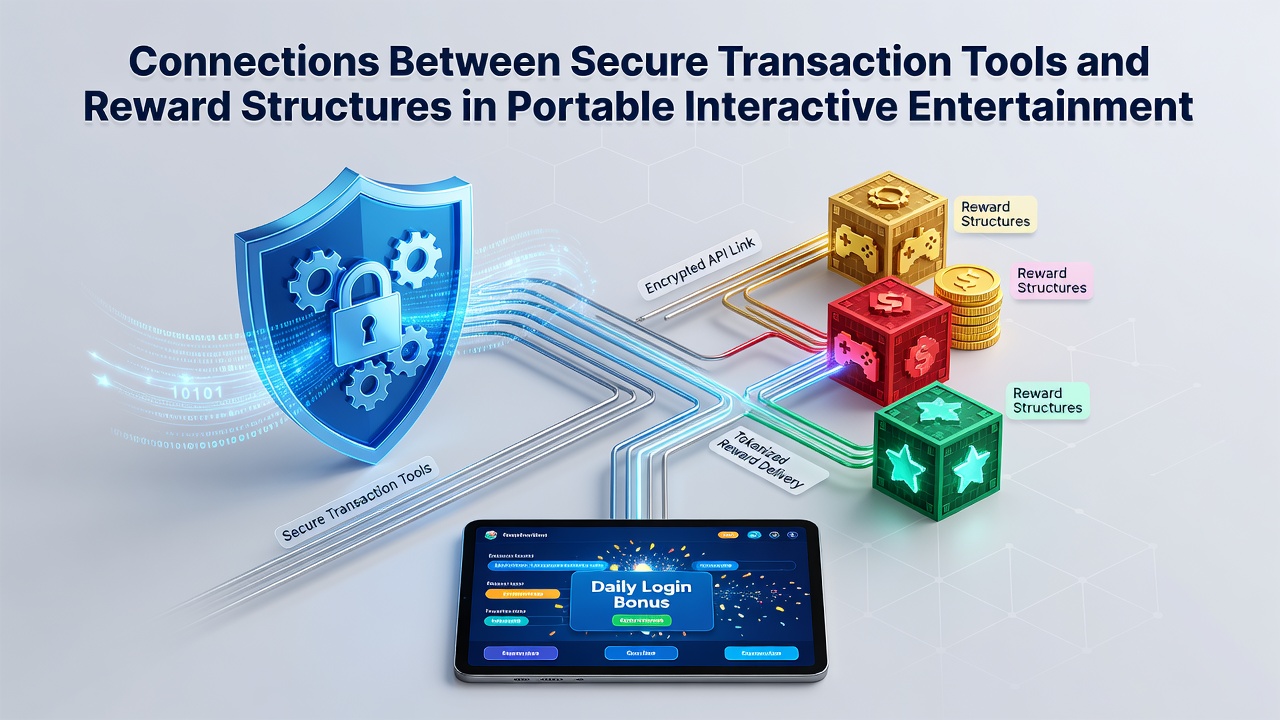
What's interesting is that the same security layers protecting fund transfers also generate audit trails that regulators review during compliance audits, and these trails help confirm that rewards have not been distributed to accounts flagged for suspicious activity. Data from the New Jersey Division of Gaming Enforcement illustrates how verified mobile transactions correlate with sustained reward program participation, because participants avoid account freezes that otherwise interrupt bonus cycles. New Jersey Division of Gaming Enforcement reports further show that platforms emphasizing end-to-end encryption saw measurable increases in loyalty point accumulation during the final quarter of 2026.
Regulatory Oversight and Cross-Border Standards
Oversight bodies across different continents enforce standards that connect transaction security with reward transparency, and operators must demonstrate that every promotional credit stems from a traceable, authenticated payment event. The Malta Gaming Authority publishes guidelines requiring operators to maintain separate ledgers for secure deposits and associated rewards, which prevents commingling that could obscure player fund protections. Researchers examining compliance records note that jurisdictions adopting unified digital payment standards experience fewer disputes over unredeemed bonuses, since both operators and regulators share access to the same verified transaction logs.
Yet the connections extend beyond simple verification, because reward algorithms increasingly factor in transaction velocity and security scores to adjust bonus frequencies in real time. Portable entertainment applications that incorporate these scoring models deliver personalized reward offers only after confirming that incoming payments passed through certified gateways. Observers tracking developments in November 2026 pointed to updated reporting requirements in several markets that now demand monthly disclosures linking transaction security metrics to reward distribution volumes.
Industry Examples and Data Patterns
One documented case involved a mobile operator that linked progressive reward unlocks to deposits processed through certified instant banking solutions, and participation rates rose measurably once the system confirmed each transfer via automated security protocols. Trade group analyses from the Interactive Gaming Council reveal that such integrations reduce administrative overhead for compliance teams while expanding the scope of available incentives. European Commission digital finance documentation outlines similar patterns across member states, where secure transaction mandates have prompted operators to redesign reward structures around verified payment histories rather than generic sign-up bonuses.
Those who've examined longitudinal data note that markets with stricter oversight on mobile transactions tend to maintain more stable reward economies, because fraud prevention tools limit the number of accounts that can exploit bonus systems. Portable interactive entertainment continues to evolve under these constraints, and the interplay between security infrastructure and reward design remains a focal point for both regulators and platform developers.
Conclusion
The documented connections between secure transaction tools and reward structures demonstrate how regulatory oversight shapes operational practices in portable interactive entertainment, with verified payment channels serving as gatekeepers for incentive access. Continued monitoring through 2026 and beyond will likely reveal further refinements as technology and compliance requirements advance in tandem.